
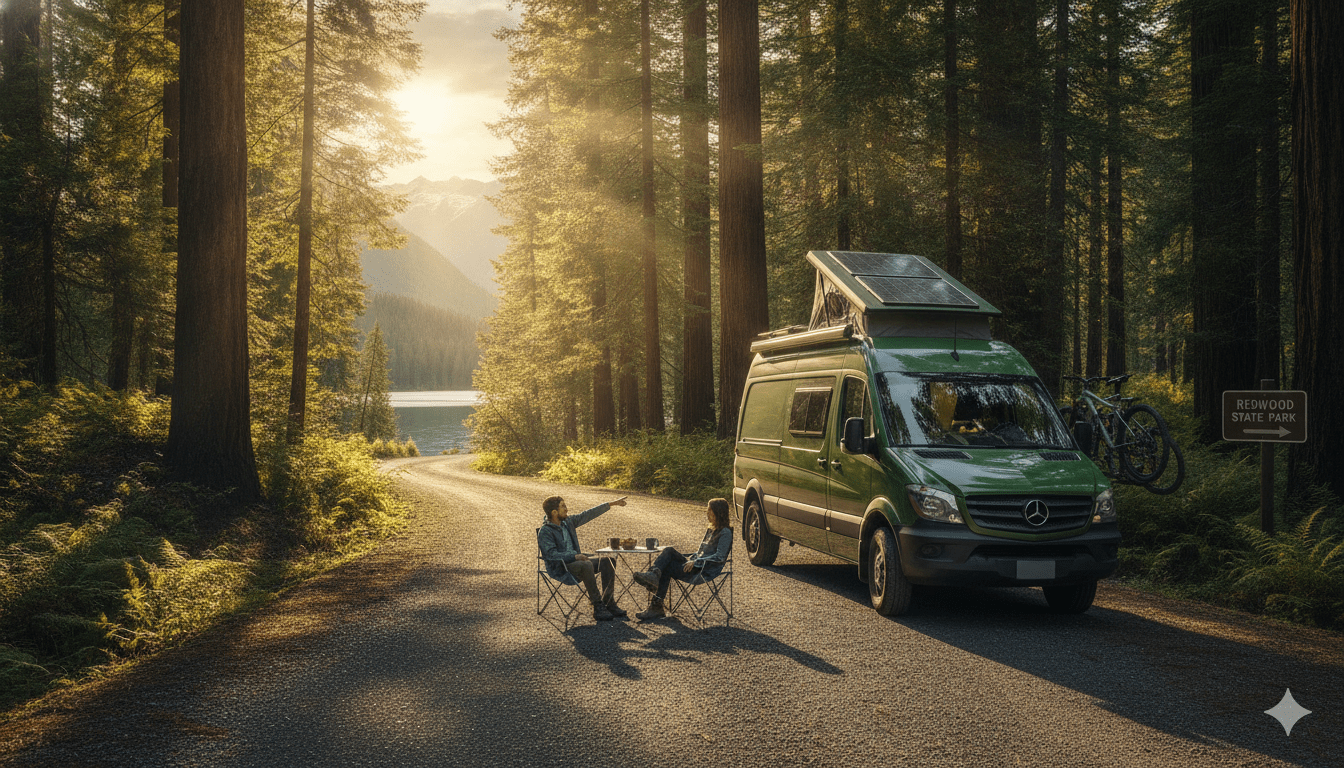
Are you ready to hit the open road without buying a massive truck? Many modern travelers are choosing compact campers for their weekend trips. These versatile rigs let you explore beautiful state parks with ease. You do not need to struggle with a giant vehicle to enjoy the great outdoors.
Today, small travel trailers are more popular than ever. They offer a great balance of comfort, value, and efficiency. Manufacturers are using high-tech, lightweight materials to build durable shells. These smart designs save you thousands of dollars on fuel costs. They also give you the freedom to camp in tight, scenic spaces where large RVs cannot fit.
In this guide, we will look at the top lightweight options for this year. We will explore cozy teardrop models and family bunkhouses. You will learn exactly how to choose the right layout for your lifestyle. Let us dive into the world of compact towing and find your perfect mobile home.
Why Choose Small Travel Trailers This Year?
There are so many reasons to love compact campers. First, they are incredibly easy to park and maneuver. If you are a first-time RV owner, backing up a large rig can feel very scary. A shorter trailer takes away that stress completely. You can easily navigate tight gas stations and winding mountain roads without a worry.
Second, these units are highly budget-friendly. They cost much less upfront than large fifth wheels or motorized class homes. You will also save money on insurance, maintenance, and storage fees over time. Many owners can even park their compact rigs right in their own driveways. This eliminates expensive monthly storage lot bills entirely.
Finally, small footprints let you connect deeply with nature. Most state and national parks have strict length limits on campsites. A smaller rig ensures you will always find a spot. You get to wake up closer to the hiking trails and beautiful vistas you love.
Understanding Towing Weights and Capacities
Before you buy a camper, you must understand your vehicle’s limits. Many people think they need a heavy-duty truck to pull an RV. However, many modern compact options weigh under 3,000 pounds dry. This means you can safely pull them with a properly equipped midsize SUV or a crossover.
Always look closely at the Gross Vehicle Weight Rating (GVWR) of the trailer. This number includes the dry weight plus all your gear, water, and propane. Never exceed your vehicle’s maximum tow rating. It is also wise to leave a 20% safety margin for steep hills.
Payload capacity is another crucial factor to calculate. This is the total weight your vehicle can carry inside the cabin and cargo bed. The tongue weight of the trailer presses down directly on your hitch. This counts against your payload, so balance your cargo carefully.
Top Small Camper Models Under 3,000 Pounds
Let us look at some of the best ultra-lightweight options on the market. These trailers are perfect for solo travelers, couples, and small families who want to keep things simple.
Happier Camper HC1
This retro-styled fiberglass camper is an absolute favorite for minimalist adventurers. It has a dry weight of just 1,100 pounds. You can easily pull it with many standard crossovers. The best feature is its modular interior system. You can rearrange the snap-in cubes to create a bed, a dining space, or a massive cargo bay for bikes.
Scamp 13-Foot Deluxe
The Scamp is a legendary “fiberglass egg” trailer that has been popular for decades. It is lightweight, durable, and holds its resale value incredibly well. The deluxe model manages to pack a wet bath and a cozy dinette into a tiny footprint. It is ideal for couples who want simple comfort on long road trips.
nuCamp TAB 320
If you love modern style and high-tech features, this teardrop trailer shines brightly. It features beautiful interior wood finishes and a very efficient heating system. The optional Boondock package adds rugged tires and solar prep. This makes it perfect for campers who want to venture far away from traditional crowded campgrounds.
Complete Small Travel Trailer Comparison Table
| Model | Dry Weight (lbs) | Length | Best Suited For | Key Standout Feature |
| Happier Camper HC1 | ~1,100 | 13′ | Gear Haulers & Minimalists | Modular component grid interior |
| Scamp 13′ Deluxe | ~1,500 | 13′ | Couples & Solo Travelers | Durable fiberglass shell construction |
| nuCamp TAB 320 | ~2,050 | 13′ 7″ | Tech Lovers & Boondockers | Premium hydronic heating & solar prep |
| Casita Spirit Deluxe | ~2,480 | 17′ | Long-Term Road Trippers | Spacious interior layout with full bath |
| Airstream Basecamp 16 | ~2,650 | 16′ 3″ | Rugged Off-Road Adventurers | Iconic aluminum build with rear hatch |
| nuCamp TAB 400 | ~2,920 | 15′ 6″ | Luxury Comfort Seekers | Separate dinette and permanent bed |
Space-Saving Floor Plans and Layouts
How do manufacturers fit a kitchen, bed, and bathroom into a tiny space? They use brilliant design engineering. One of the most popular trends is the Murphy bed layout. During the day, the bed folds up smoothly into the front wall. This reveals a comfortable couch or dinette for daytime relaxing.
Rear kitchen layouts are also highly efficient. By placing the stove, fridge, and sink at the very back, the center aisle stays completely open. This makes the interior feel much larger than it actually is. It also gives the chef plenty of room to prep meals.
Some models utilize a rear hatch door instead. This design lets you open the back of the camper completely to the fresh air. It makes loading large outdoor gear like kayaks incredibly easy. It also gives you a beautiful, unobstructed view of your campsite.
The Pros and Cons of Wet Baths
Most small travel trailers feature a “wet bath” to save interior space. A wet bath combines the toilet and the shower into one single waterproof room. This means the entire space gets wet when you take a shower. It is a smart way to clear up square footage for the living area.
The main benefit of a wet bath is efficiency. It allows you to have full bathroom amenities without adding extra feet to your trailer length. This keeps your rig light and easy to tow. It is also very easy to wipe down and clean.
However, wet baths do have a few downsides. The space can feel quite cramped for taller individuals. You also have to wipe down the toilet seat after every shower so it stays dry. If you want a dry bath with a separate shower stall, you will need to look at slightly longer models.
Off-Grid and Boondocking Capabilities
Do you want to camp deep in the wilderness without hookups? This style of camping is called boondocking or dry camping. Many new compact models come straight from the factory ready for off-grid adventures. They feature heavy-duty suspension systems and high-clearance frames to handle bumpy dirt roads.
Solar power is essential for successful boondocking. Many rigs now include factory-installed solar panels and lithium battery banks. These systems keep your lights, fans, and water pump running smoothly without a noisy generator. They charge quietly under the sun all day long.
Water management is another crucial piece of the puzzle. Look for models with generous fresh water tanks and efficient gray water storage. Using a composting toilet can also save massive amounts of water. This extends your off-grid stay by several days.
Crucial Gear for Compact Camper Owners
To get the most out of your compact rig, you need the right accessories. A high-quality weight distribution hitch is highly recommended. This device balances the trailer weight across your vehicle’s axles. It prevents sagging and stops dangerous trailer sway on breezy highway drives.
A portable leveling block kit is another must-have item. Campground spots are rarely perfectly flat. These interlocking blocks stack easily under your tires to level your camper in minutes. A level trailer ensures your absorption refrigerator works safely and efficiently.
Consider investing in space-saving kitchen gear too. Collapsible bowls, nesting pots, and magnetic spice racks are perfect for tiny kitchens. They keep your cabinets organized and stop annoying rattles while you drive down the road.
Maintenance Tips for Long-Lasting Rigs
Taking good care of your camper ensures it stays safe and holds its value. The most important rule of RV ownership is to prevent water leaks. Inspect the roof seals, window caulking, and door gaskets at least twice a year. Seal any tiny cracks immediately with high-grade RV sealant.
Check your tire pressure before every single road trip. Trailer tires sit under heavy loads and degrade quickly from sun exposure. Cover your tires when your rig is parked for long periods. It is also wise to pack your wheel bearings with fresh grease every year.
Do not forget to sanitize your fresh water system annually. Run a mild bleach and water mixture through the lines to kill any bacteria. Flush the system thoroughly until the chlorine smell is completely gone. This keeps your drinking water fresh and safe.
Finding the Perfect Small Travel Trailer for You
Choosing the right camper is a very personal journey. Start by visiting local RV dealerships and walking through different floor plans. Sit at the dinettes, lie down on the beds, and step into the showers. Pay close attention to how the space feels to you.
Think honestly about how you plan to camp. If you love staying at luxurious resorts with full hookups, you can focus on interior comfort. If you want to explore rugged backcountry trails, look for off-road models with solar prep.
Do not rush your final decision. Read owner forums and watch online walk-through videos to learn about real-world performance. Finding the perfect match will open the door to countless unforgettable road trip adventures.
Frequently Asked Questions (FAQs)
Can I tow a small travel trailer with a standard SUV?
Yes, you can pull many compact models with a standard SUV. Always verify your vehicle’s specific tow rating and payload capacity first. Ensure the trailer’s GVWR stays safely below that limit.
Do compact travel trailers have real bathrooms?
Many models do feature fully functional bathrooms. They usually utilize space-saving wet baths where the shower and toilet share the same room. Some larger options do offer traditional dry baths.
Is solar power necessary for small campers?
Solar power is not required if you always stay at campgrounds with electrical hookups. However, solar is incredibly helpful if you love boondocking in remote nature spots without power lines.
How many people can sleep in a small travel trailer?
Most compact models are designed to sleep two adults comfortably. However, some clever bunkhouse layouts can easily accommodate up to four or five people by using convertible dinettes.
Are fiberglass trailers better than aluminum ones?
Fiberglass trailers are highly durable and have fewer seams, which greatly reduces the risk of water leaks. Aluminum trailers are often lighter and offer a classic look but require more seam maintenance.
Can I use a small camper during the winter?
Yes, but you need a model with a proper four-season insulation package. Look for heated underbellies, double-pane windows, and high-quality furnace systems to stay warm in freezing weather.
Conclusion
Small travel trailers offer the ultimate ticket to freedom and outdoor adventure. They eliminate the stress of heavy towing while keeping you cozy and comfortable anywhere you park. Whether you choose a modular fiberglass egg or a rugged off-grid teardrop, you will love the simplicity of camping small.
Are you ready to take the next step toward your dream road trip? Start exploring local listings or visit an RV show to see these amazing compact rigs in person. Your next great journey is just over the horizon!