
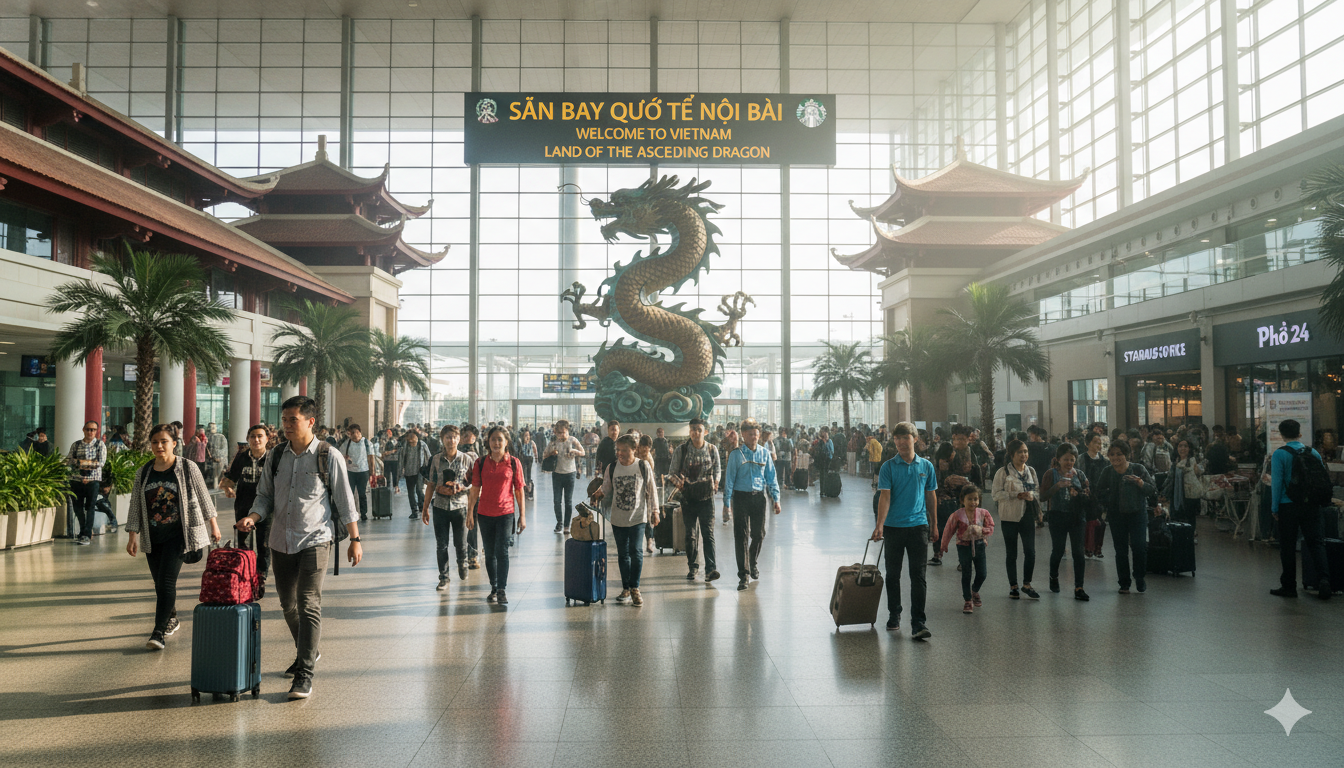
If you are planning a trip to the land of the “Ascending Dragon,” your adventure starts at a Vietnam airport. I remember the first time I landed in Hanoi; the humidity hit me like a warm hug, and the buzzing energy was unlike anything else. But let’s be honest, navigating international terminals can feel like a maze if you aren’t prepared. Whether you are landing at the massive Tan Son Nhat or the breezy Phu Quoc, knowing the ropes saves you time and money.
In this guide, I will walk you through everything you need to know about flying into Vietnam in 2026. We will talk about the latest digital arrival cards, how to find the best SIM cards, and how to avoid those pesky taxi scams. My goal is to make sure you feel like a local before you even step off the plane. Let’s dive into the details of the most important hubs in the country.
Comparison of Major International Airports in Vietnam (2026)
| Airport Name | IATA Code | Primary City | Best For | New for 2026 |
| Noi Bai | HAN | Hanoi | Northern Trekking | Electric Taxi Hub |
| Tan Son Nhat | SGN | Ho Chi Minh | Business & Food | Digital Arrival Card |
| Da Nang | DAD | Da Nang | Beaches & Hoi An | Fastest Processing |
| Cam Ranh | CXR | Nha Trang | Luxury Resorts | Routes Asia Hub |
| Phu Quoc | PQC | Phu Quoc | Island Paradise | Visa-Free Entry* |
Landing at Tan Son Nhat (SGN): The Southern Hub
As the busiest Vietnam airport, Tan Son Nhat in Ho Chi Minh City is a whirlwind of activity. In 2026, the biggest update here is the Vietnam Digital Arrival Card. You now need to fill this out online before you land. It’s a great move because it helps the lines move much faster than they used to. Trust me, after a 12-hour flight, you don’t want to be stuck in a 500-person queue.
When you exit the terminal, look for the bright cyan Xanh SM electric taxis. They are reliable and use fixed pricing on their app. If you prefer ride-sharing, the Grab pickup zone is clearly marked with green floor stickers. Always remember to check the license plate on your app before getting in. This simple step keeps you safe from the “fake driver” scam that occasionally pops up near the exit.
Exploring Noi Bai (HAN): Your Gate to the North
Located about 30km from the city center, Noi Bai is the second-largest Vietnam airport. It has two main terminals: T1 for domestic flights and T2 for international arrivals. If you need to switch between them, there is a free shuttle bus that runs every 15 minutes. In 2026, Hanoi has gone green, so you will see many electric buses and SUVs waiting to take you to the Old Quarter.
One of my favorite tips for Noi Bai is to use Bus 86. It only costs about 45,000 VND (under $2) and takes you straight to Hoan Kiem Lake. It’s clean, has space for luggage, and is much cheaper than a private car. If you choose a taxi, stick to reputable brands like G7 or Mai Linh. These companies are famous for their honesty and fair meters, ensuring your first impression of the capital is a positive one.
Da Nang International (DAD): The Gateway to Central Vietnam
Many travelers agree that Da Nang has the most user-friendly Vietnam airport experience. It is located just 4km from the city center, meaning you can be at your hotel in less than 15 minutes! This airport serves as the perfect jumping-off point for visiting Hoi An or the ancient city of Hue. The international terminal (T2) is modern and rarely feels as crowded as the ones in the bigger cities.
For transport, I highly recommend pre-booking a private transfer if you are heading to Hoi An. It usually costs around 300,000 to 400,000 VND. If you are staying in Da Nang, a quick Grab ride is the way to go. The airport also offers excellent free Wi-Fi under the name “Maltaport,” which is strong enough to call your family or book a ride as soon as you clear customs.
Cam Ranh (CXR): Reaching the Crystal Coast
If you are looking for sun and sand, you will likely fly into Cam Ranh Vietnam airport. This hub serves the popular resort city of Nha Trang. Since the 2026 “Routes Asia” summit, this airport has expanded its flight paths to include more international destinations. The terminal is beautiful and shaped like a bird’s nest, reflecting the local culture of the region.
The drive from Cam Ranh to Nha Trang takes about 45 minutes along a stunning coastal road. You can take the airport shuttle bus for a budget-friendly price, or grab a taxi. Because it is a bit of a distance, some drivers might try to offer a “fixed price.” Just make sure that price is agreed upon before you put your bags in the trunk. It’s all about clear communication!
Phu Quoc (PQC): The Island Entry Point
Phu Quoc is unique because it offers visa-free entry for many international tourists for up to 30 days, provided you stay on the island. The Vietnam airport here is small but efficient. It is located right in the middle of the island, making it easy to reach both the luxury resorts in the south and the busy night markets in the north.
Inside the arrival hall, you will find several kiosks selling Viettel and Vinaphone SIM cards. I always suggest getting your SIM here. The staff will help you install it and make sure your 5G data is working before you leave. In 2026, most kiosks now accept credit cards, so you don’t even need to find an ATM immediately if you have your phone ready to go.
How to Get the Best SIM Card at the Airport
Staying connected is vital for using maps and translation apps. At any major Vietnam airport, you will see a row of booths right after you pass customs. The big three providers are Viettel, Vinaphone, and Mobifone. Personally, I find Viettel has the best coverage if you plan on traveling to rural areas like Sapa or the Ha Giang Loop.
Expect to pay around 300,000 VND ($12) for a 30-day “Tourist Unlimited” data pack. While eSIMs are becoming very popular (especially apps like Airalo), a local physical SIM often gives you a local phone number. This is very helpful if you need to call a hotel or a tour guide. Just bring your passport, as they need to register the SIM card to your identity.
Currency Exchange and ATM Tips
When you land at a Vietnam airport, you will need some local cash (Vietnamese Dong). While many places in 2026 accept cards or digital payments, small street food stalls and buses still require cash. My “insider secret” is to use the ATMs located at the far ends of the arrival hall. They usually have better rates than the exchange booths right in the middle.
Always choose to be charged in VND (the local currency) if the ATM asks. This avoids “Dynamic Currency Conversion,” which is just a fancy way for banks to charge you extra fees. Also, try to keep some small bills like 50,000 or 100,000 VND handy. Giving a driver a 500,000 VND bill for a short ride can sometimes lead to a “no change” situation.
Navigating Customs and Immigration Safely
The immigration process at a Vietnam airport is generally straightforward. You will need your passport, your printed e-visa (if required), and in 2026, your digital arrival QR code for SGN. The officers are usually quiet and efficient. Once you get your stamp, double-check the date to make sure it matches your visa. Mistakes are rare, but they are much easier to fix at the counter than days later.
After immigration, you will collect your bags and head through customs. Most travelers go through the “Green Channel” (nothing to declare). Be aware that airport staff may occasionally X-ray your bags again as you exit. It’s a standard security measure, so just follow the flow. Keep your baggage claim stickers until you are completely outside the building, as staff sometimes check them to prevent luggage theft.
Understanding the 2026 Digital Arrival Card
If your first stop is Ho Chi Minh City, you must handle the pre-arrival immigration form. This is a new rule for 2026. You can do this up to 72 hours before your flight. You will need to upload a photo of your passport and enter your flight details. Once you finish, you get a QR code.
I highly recommend taking a screenshot of this QR code. Airport Wi-Fi can sometimes be spotty when you first land, and having that code ready on your phone screen will help you “breeze” past the manual queues. If you forget to do it, don’t panic! There are posters with QR codes in the arrival hall so you can fill it out on the spot, but it will add time to your journey.
Avoiding Common Airport Scams
While Vietnam is very safe, every big Vietnam airport has a few people looking to overcharge tourists. The most common one is the “unauthorized helper.” This is someone who looks official but isn’t. They might offer to help with your bags or lead you to a “special” taxi. Always politely say “No, thank you” and keep walking toward the official taxi stands.
Another classic is the “Hotel is closed” scam. A driver might tell you your hotel has shut down and offer to take you to a “better” one. This is almost always a lie to get a commission from a different hotel. Stay firm and tell them to take you to the address you provided. Having the offline version of Google Maps downloaded can help you track the route and ensure you are heading in the right direction.
Frequently Asked Questions (FAQs)
1. Which Vietnam airport should I fly into first?
It depends on your itinerary. Fly into Hanoi (HAN) for the North or Ho Chi Minh City (SGN) for the South. Da Nang (DAD) is best if you want to start in the middle.
2. Is there free Wi-Fi at Vietnam airports?
Yes! Most international airports like Noi Bai and Tan Son Nhat offer free Wi-Fi. It is usually fast enough for messaging and booking a Grab.
3. Can I get a visa on arrival at the airport?
In 2026, most travelers use the E-visa system. You apply online before you travel. True “Visa on Arrival” usually requires a specific invitation letter from a travel agency.
4. How much is a taxi from the airport to Hanoi city center?
Expect to pay between 350,000 and 450,000 VND (including tolls) for a private car or Grab to the Old Quarter.
5. Do I need cash at the airport?
It is helpful to have some cash for the bus or small snacks. However, most SIM card stalls and high-end taxis now accept credit cards.
6. What is the new digital arrival card for 2026?
It is a mandatory online form for travelers landing at Tan Son Nhat (SGN) to speed up immigration. It’s expected to roll out to other airports later this year.
Conclusion: Start Your Journey Right
Navigating a Vietnam airport doesn’t have to be scary. With a little bit of preparation—like filling out your digital forms early and knowing which taxi to take—you can start your vacation with a smile. Remember to stay patient, keep your documents organized, and don’t be afraid to ask for help at the official information desks. Vietnam is a beautiful, welcoming country, and the airport is just the first chapter of an amazing story. Have a safe flight and enjoy every moment of your trip!