
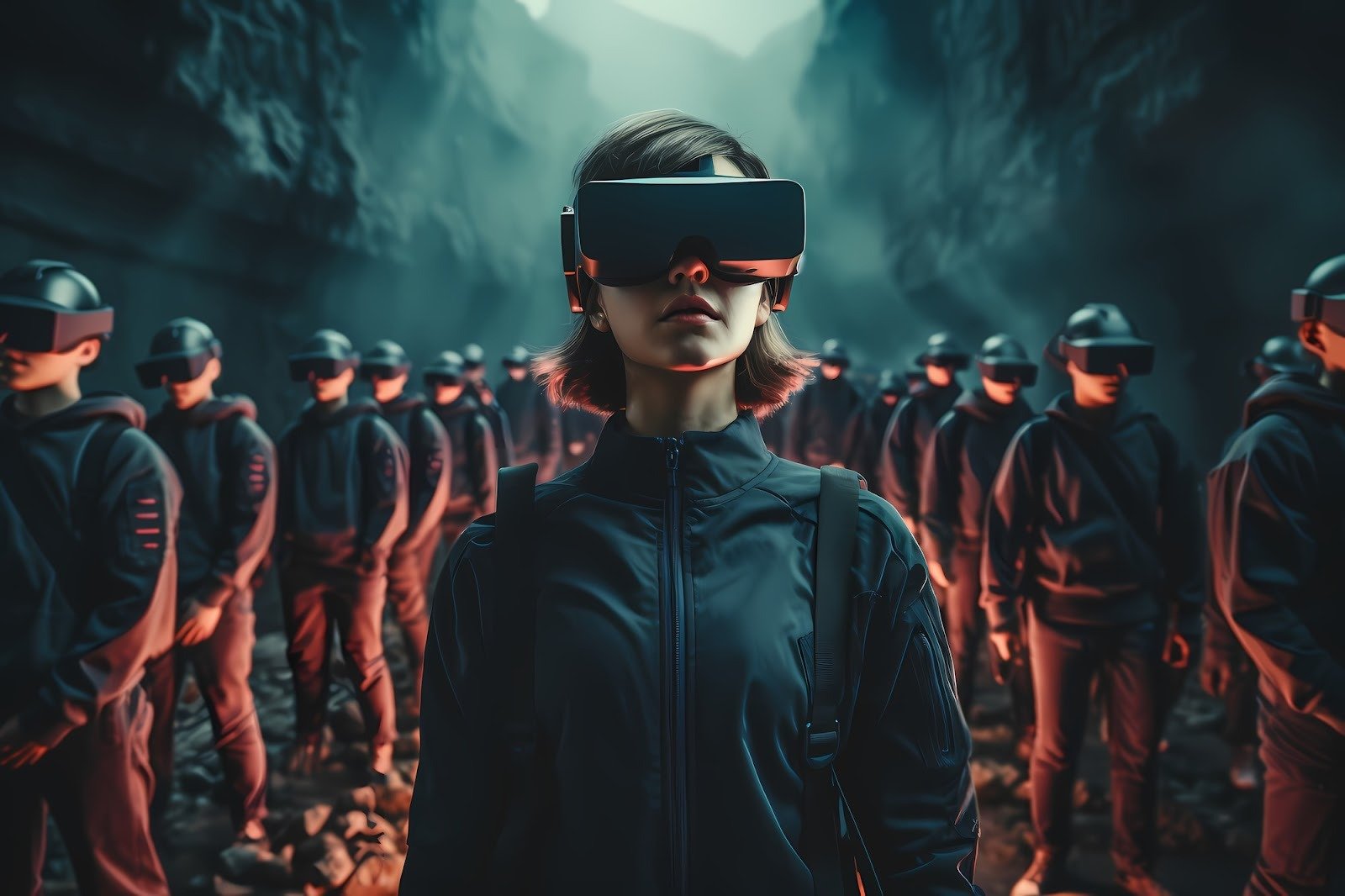
Video has become the dominant form of content across the internet. From social media platforms to marketing campaigns and educational platforms, creators rely on video to communicate ideas and capture audience attention. However, producing cinematic videos has traditionally required cameras, lighting equipment, editing software, and professional production skills. For many independent creators, these requirements create barriers that limit the types of videos they can produce.
Artificial intelligence is now transforming the video creation process. AI powered video models can generate scenes, visuals, and motion directly from text prompts. Instead of filming every scene manually, creators can describe the scene they want and allow AI systems to generate realistic video footage. This approach allows creators to produce cinematic visuals without expensive production setups.
One of the latest developments in this space is Google Veo 3. This AI video model allows creators to generate dynamic video scenes, including promotional videos, product demonstrations, real estate tours, explainers, and social media clips. By combining advanced motion generation with realistic visual interpretation, Google Veo 3 is helping creators experiment with cinematic storytelling in entirely new ways.
Understanding how creators use Google Veo 3 to produce cinematic videos provides insight into how AI is reshaping the future of video production.
What is Google Veo 3 and how does it help creators generate videos?
Google Veo 3 is an advanced AI video model designed to generate realistic video content from written prompts or creative descriptions. Instead of filming scenes with traditional cameras, creators can describe the visual concept they want, and the AI system generates video sequences that match the description.
Tools such as google veo 3 ai on invideo allow creators to access this technology and produce cinematic video content more easily. By using natural language prompts, creators can generate scenes that include movement, lighting, environment details, and camera perspectives.
Many creators also combine these capabilities with a video creator app to edit and assemble their generated clips into complete videos. This allows them to add music, voiceovers, captions, and transitions while building a polished final project.
Because the system interprets creative prompts, creators can experiment with visual storytelling without needing advanced filming equipment or technical expertise.
How does Google Veo 3 generate cinematic scenes from prompts?
AI video models such as Google Veo 3 rely on deep learning systems trained on large collections of video data. These models learn how objects move, how lighting affects scenes, and how camera angles influence visual storytelling.
When a creator enters a prompt describing a scene, the system analyzes the text to identify key elements such as objects, environments, motion, and camera perspective. The AI then generates a video sequence that visually represents those elements.
For example, a creator might request a cinematic drone shot of a mountain landscape during sunrise. The AI interprets this description and generates a scene with natural lighting, camera movement, and environmental detail that matches the request.
The ability to generate motion and perspective dynamically allows creators to produce scenes that feel cinematic rather than static. This makes AI generated videos suitable for storytelling, marketing content, and creative projects.
Why is Google Veo 3 useful for cinematic storytelling?
Cinematic storytelling relies on visual composition, camera movement, and emotional atmosphere. Traditionally, achieving these elements requires professional filmmaking equipment and skilled editors.
Google Veo 3 helps simplify this process by generating scenes that include cinematic elements such as camera angles, lighting transitions, and environmental details. Instead of filming multiple takes to capture the right shot, creators can experiment with different prompts to generate variations of the same scene.
This flexibility allows creators to explore creative ideas quickly. For instance, a filmmaker can generate different versions of a scene with different lighting conditions or camera perspectives to determine which version best supports the narrative.
Because the AI interprets descriptive prompts, creators can focus on storytelling and concept development rather than technical production tasks.
How can creators use Google Veo 3 for different types of videos?
AI generated video technology can support many different types of creative projects. Google Veo 3 allows creators to generate scenes suitable for a wide range of content formats.
Creators often use AI generated scenes to produce promotional videos for businesses and brands. These videos may include cinematic product shots or stylized environments that highlight a product’s features.
Social media creators also use AI generated visuals to produce short videos that capture attention quickly. Dynamic visuals generated by AI can help content stand out in crowded feeds.
Educational creators can use the technology to generate visual explanations for complex topics. For example, animated environments or simulated scenarios can help illustrate ideas that would otherwise require expensive filming setups.
Real estate professionals may generate property tour visuals that showcase spaces in an engaging way. By combining generated scenes with voice narration and editing, creators can build informative property presentations.
The versatility of AI generated video allows creators to experiment with different content styles without requiring separate filming sessions.
How does Google Veo 3 help creators work faster?
Video production traditionally involves multiple stages including filming, editing, lighting adjustments, and post production. Each of these stages requires time and technical resources.
AI video generation helps accelerate this process by automating the creation of visual scenes. Instead of organizing filming sessions, creators can generate scenes directly from prompts.
This efficiency allows creators to test different visual ideas quickly. If a particular scene does not match the intended concept, the creator can modify the prompt and generate another version.
The ability to produce multiple variations quickly encourages creative experimentation. Creators can refine their ideas without worrying about the time and cost associated with traditional production.
By reducing the complexity of video production, AI tools help creators focus on storytelling and creative direction.
How does Google Veo 3 support marketing and promotional content?
Businesses and marketers are increasingly using video to communicate their brand message. Promotional videos, product demonstrations, and advertising campaigns often rely on visually engaging scenes that capture attention quickly.
Google Veo 3 allows marketers to generate these scenes without building elaborate filming environments. For example, a brand can generate cinematic product visuals or stylized backgrounds that enhance the appeal of their marketing message.
Marketing teams can also generate multiple variations of promotional videos for different platforms or audiences. This flexibility allows companies to experiment with different visual approaches and identify which ones resonate most with viewers.
AI generated video scenes can also be combined with voice narration, music, and text overlays to create complete promotional videos that are ready for digital distribution.
What creative possibilities does AI video generation offer creators?
AI video generation introduces new possibilities for creative experimentation. Because creators can generate scenes quickly, they are free to explore imaginative concepts that might be difficult or expensive to film.
For example, creators can generate futuristic environments, dramatic landscapes, or stylized cinematic sequences that enhance storytelling. These visuals can be used to build fictional narratives, experimental art projects, or engaging marketing campaigns.
AI also allows creators to combine different visual styles and concepts within a single video project. This flexibility encourages creators to explore new creative directions and develop unique visual identities.
As AI video models continue to improve, creators will likely gain even greater control over cinematic elements such as motion, lighting, and visual composition.
How should creators approach AI generated video responsibly?
While AI video generation offers powerful creative tools, responsible use is important. Creators should ensure that their content respects copyright, privacy, and ethical considerations.
For example, when generating scenes that resemble real environments or individuals, creators should avoid misleading representations. Transparency about the use of AI generated visuals helps audiences understand how the content was created.
Responsible use also includes maintaining originality in creative projects. AI should be used as a tool that supports creativity rather than replacing thoughtful storytelling.
By using AI tools responsibly, creators can explore innovative visual techniques while maintaining trust with their audiences.
Conclusion
Artificial intelligence is transforming the way creators approach video production. Instead of relying solely on cameras and filming equipment, creators can now generate cinematic visuals using advanced AI video models.
Google Veo 3 represents an important step forward in this transformation. By allowing creators to generate realistic scenes from descriptive prompts, the technology simplifies the process of producing cinematic videos.