
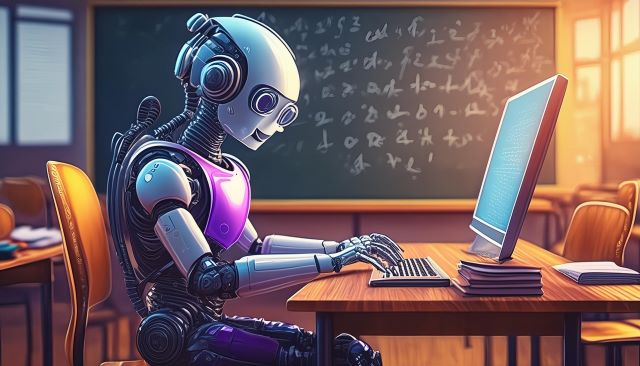
The landscape of British higher education is currently navigating its most significant transformation since the introduction of the internet. From the historic halls of Oxford to the modern tech-focused campuses in Manchester, the conversation has shifted. It is no longer just about traditional research methods; it is about how students and institutions coexist with Generative Artificial Intelligence (GenAI). As these tools become more sophisticated, the very definition of “academic integrity” in the UK is undergoing a necessary and rapid evolution.
The Traditional Foundation of British Academia
For centuries, the UK education system has been built on the bedrock of critical thinking, original research, and individual contribution. The “gold standard” of a British degree relies on the assurance that the student whose name is on the certificate is the one who actually wrestled with the concepts, analyzed the data, and penned the arguments.
However, the arrival of Large Language Models (LLMs) has challenged this foundation. When a tool can generate a coherent 2,000-word essay on Elizabethan poetry or complex coding structures in seconds, the boundaries of “original work” become blurred. This has forced regulatory bodies, such as the Quality Assurance Agency for Higher Education (QAA), to rethink how we measure student success.
Why the Shift is Happening Now
The evolution of integrity standards isn’t just a reaction to “cheating.” It is a proactive response to a changing workforce. UK universities recognize that their graduates will enter a professional world where AI is a standard collaborator. Therefore, banning these tools entirely is seen by many educators as counterproductive. Instead, the focus is shifting toward “AI Literacy.”
Institutions are moving away from policing and toward a model of transparent usage. The goal is to teach students how to use technology to enhance their research without sacrificing their own intellectual voice. This is where many students find value in professional assignment help UK services, which focus on providing structured guidance and model answers that help students understand complex academic expectations without bypassing the learning process.
The Impact on Technical Subjects
Perhaps nowhere is this evolution more visible than in STEM fields. In technical disciplines, the line between an “aid” and a “substitute” is incredibly thin. For instance, in programming and software engineering, AI can suggest entire blocks of code. UK universities are now updating their rubrics to require students to explain the logic behind the code, rather than just submitting a functional program.
Students often seek specialized computer science assignment help to navigate these new requirements. Learning how to document AI prompts and justify technical decisions is becoming as important as the code itself. This shift ensures that even if a tool is used, the student’s expertise and authoritativeness are the primary drivers of the work.
From Detection to Assessment Design
In the early days of GenAI, the focus was on “detection.” However, AI detectors have proven to be inconsistent, sometimes flagging non-native English speakers or highly formal writing unfairly. Consequently, UK educators are changing how they test students.
We are seeing a return to:
- In-person invigilated exams: The classic pen-and-paper method is making a comeback for core modules.
- Viva Voce (Oral Exams): Students may be asked to verbally defend their written work to ensure they have a deep understanding of the material.
- Reflective Logs: Students must submit a diary of their research process, showing how their ideas developed over time.
The Human Element: Experience and Trustworthiness
What AI lacks—and what UK standards are now prioritizing—is the “Human Experience.” AI can aggregate data, but it cannot draw on personal internships, cultural nuances, or unique life experiences. Current academic standards are leaning heavily into “authentic assessment.” This means assignments are being designed to solve real-world UK problems, such as local economic issues or NHS logistical challenges, where a generic AI response would fall short.
By focusing on these unique human perspectives, the UK education system maintains its trustworthiness on the global stage. It ensures that a degree from a British institution still signifies a person who can think independently and ethically.
Conclusion
The evolution of UK academic integrity standards isn’t about winning a war against machines. It is about defining a new era of human-AI collaboration. As standards continue to change, the responsibility lies with both the institution to provide clear guidelines and the student to maintain honesty in their learning journey.
The future of British education isn’t “AI-free”—it is “Human-led.” By embracing these changes, the UK ensures that its graduates remain some of the most skilled, ethical, and adaptable professionals in the world.